

When it comes to blood pressure readings, numbers can feel like a foreign language. A reading of 98/62 might sound like an odd combination of a secret code, but it’s actually a signal from your body. This particular measurement can spark curiosity, especially for those wondering if they should be worried or celebrating.
Picture this: your blood pressure is lower than a limbo stick at a beach party. While some might panic and think it’s time to call the paramedics, others might raise a glass to their healthy lifestyle. Understanding what 98/62 really means is key to deciphering the body’s messages. So, let’s dive into the world of blood pressure, where numbers tell stories, and everyone can find their perfect reading.
Understanding Blood Pressure Readings
Blood pressure readings consist of two numbers, indicating how blood moves through the arteries. Grasping what these numbers signify aids in assessing overall health.
What Do Numbers Mean?
The top number represents systolic pressure, measuring the force during heartbeats. The bottom number shows diastolic pressure, reflecting the pressure when the heart rests between beats. In a reading of 98/62, the systolic value of 98 signifies lower than normal pressure. A diastolic pressure of 62 also falls on the lower side of the typical range. Consider the implications of such figures; while some may view these numbers as concerning, a person’s symptoms and overall health context play crucial roles in interpretation.
Importance of Blood Pressure Monitoring
Monitoring blood pressure regularly promotes proactive health management. Consistent tracking helps detect significant changes, potentially indicating health issues. Understanding blood pressure patterns leads to better responses, whether adjustments in lifestyle or consultations with healthcare providers. Regularly measuring blood pressure empowers individuals to take charge of their health and recognize when seeking medical advice becomes necessary.
Overview of 98/62 Blood Pressure
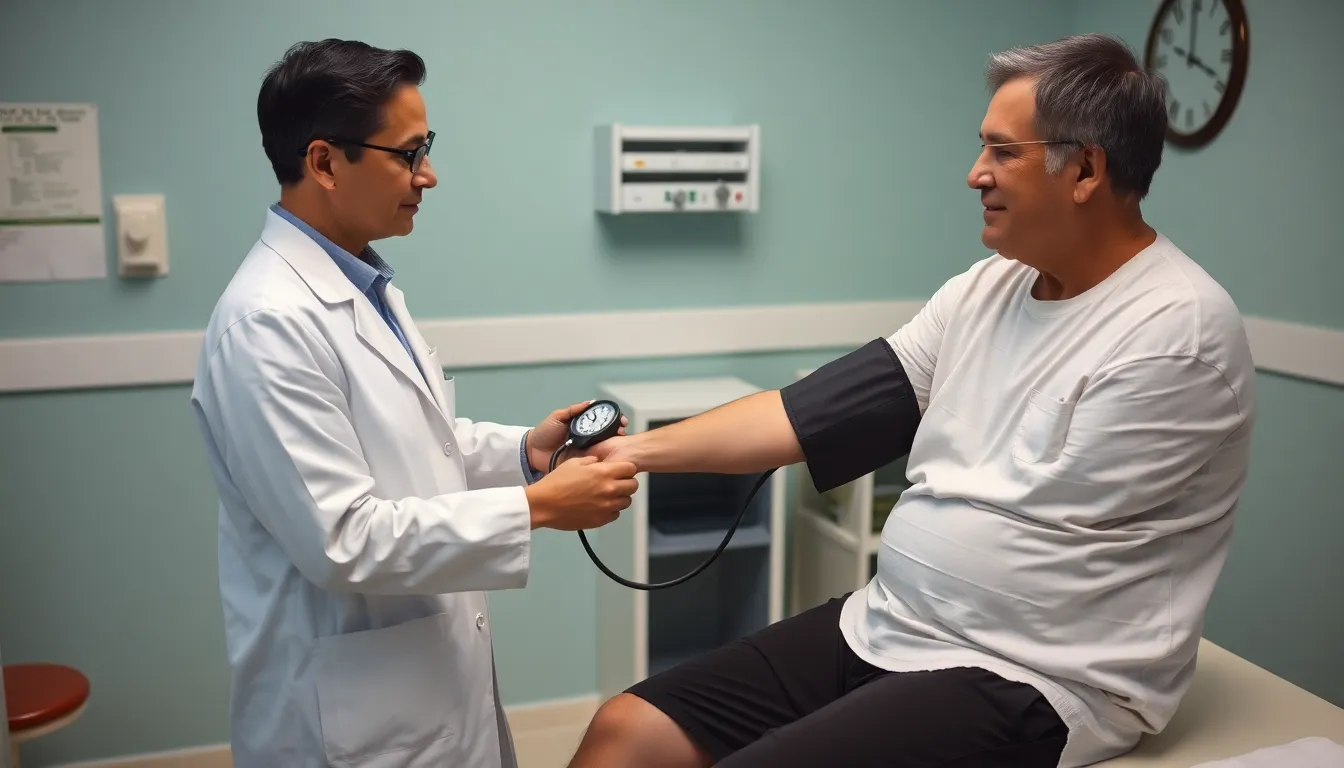
Blood pressure reading of 98/62 falls on the lower end of the spectrum. Understanding whether this measurement is normal or abnormal requires context.
Is It Normal or Abnormal?
A reading of 98/62 could be normal for some individuals, especially if they experience no symptoms. Low blood pressure, or hypotension, often does not present issues for healthy individuals. Symptoms such as dizziness or fainting signal that blood pressure might cause concerns. Evaluating an individual’s overall health and lifestyle provides clarity. Age, fitness level, and hydration can affect interpretation. Consultations with healthcare professionals offer further insights when uncertainty arises.
Factors That Influence Blood Pressure
Multiple factors influence blood pressure, including genetics, diet, and stress. Genetics play a crucial role in determining baseline levels. Dietary choices, such as salt intake and hydration, also impact blood pressure. Stressful situations can lead to temporary spikes, whereas relaxation techniques often result in lower readings. Physical activity improves cardiovascular health and usually stabilizes blood pressure. Regular monitoring helps individuals understand their blood pressure trends over time. Each factor intertwines to create a comprehensive picture of an individual’s cardiovascular health.
Causes of Low Blood Pressure
Low blood pressure can arise from various medical conditions and lifestyle factors. Understanding these causes helps in managing blood pressure effectively.
Common Medical Conditions
Certain medical conditions contribute to low blood pressure. Heart problems, such as bradycardia or valve issues, often lead to decreased blood flow. Endocrine disorders, like Addison’s disease, can disrupt hormone levels, impacting blood pressure regulation. Severe infections, especially septicemia, lower blood pressure by dilating blood vessels. Blood loss, through injury or internal bleeding, reduces overall blood volume, affecting pressure readings. Nutritional deficiencies, particularly in vitamin B12 or folate, affect red blood cell production, influencing blood circulation.
Lifestyle Factors
Several lifestyle factors play a significant role in low blood pressure. Dehydration, frequently caused by inadequate fluid intake, decreases blood volume, leading to lower readings. Consuming a diet high in carbohydrates can sometimes cause postprandial hypotension, where blood pressure drops after meals. Extended periods of inactivity or standing can also induce transient low blood pressure. Certain medications, such as diuretics or antidepressants, may lower blood pressure. Alcohol consumption impacts hydration levels and can also contribute to hypotension.
Symptoms Associated with 98/62 Blood Pressure
Low blood pressure readings, such as 98/62, can present various symptoms depending on the individual and context. Recognizing these symptoms is crucial for proactive health management.
Recognizing Signs of Hypotension
Dizziness often appears as a common sign of hypotension. Fainting also poses a risk when blood pressure drops significantly. Fatigue can occur due to insufficient blood flow, impacting energy levels. Blurred vision may result from inadequate circulation to the eyes. Nausea may accompany other symptoms as the body responds to low pressure. Each symptom reflects the body’s struggle to receive adequate oxygen and nutrients, urging attention to underlying issues.
When to Seek Medical Attention
Consulting a healthcare provider becomes imperative if any severe symptoms manifest. Unexplained fainting episodes warrant immediate evaluation. Persistent dizziness, especially when standing, requires professional advice. Symptoms should also prompt communication with a doctor if they disrupt daily activities. Changes in mental state, such as confusion, signal potential complications. Heeding these signs contributes to timely intervention and effective management of blood pressure concerns.
Management and Lifestyle Changes
Maintaining optimal blood pressure, especially at a reading of 98/62, often benefits from specific lifestyle modifications. Implementing effective changes can lead to improved overall health.
Dietary Recommendations
Choose foods high in nutrients to support healthy blood pressure. Incorporating whole grains, lean proteins, fruits, and vegetables fosters better cardiovascular health. Reducing salt intake helps prevent further drops in blood pressure. Staying hydrated proves vital; drink adequate water throughout the day. Iron-rich foods like spinach and legumes aid in combating anemia-related low blood pressure. Lastly, limit caffeine and alcohol, as both can dehydrate the body and potentially worsen symptoms.
Exercise and Physical Activity
Regular exercise plays a crucial role in managing blood pressure. Engaging in activities such as walking, cycling, or swimming enhances cardiovascular strength. Aim for at least 150 minutes of moderate exercise weekly for optimal benefits. Resistance training also contributes positively; aim for strength training twice a week. Listening to one’s body remains essential; fatigue or excessive dizziness may signal the need for rest. Gradual increases in activity levels help prevent sudden drops in blood pressure as the body adapts.
Understanding a blood pressure reading of 98/62 is essential for managing overall health. While this reading might raise concerns for some individuals, it can be perfectly normal for others. Recognizing symptoms and the context surrounding low blood pressure is crucial. Regular monitoring empowers individuals to make informed decisions about their health.
Implementing lifestyle changes can significantly impact blood pressure management. By focusing on diet, hydration, and exercise, individuals can maintain optimal health. Staying proactive about blood pressure readings and seeking medical advice when necessary ensures a better quality of life. Taking charge of one’s health journey is vital for long-term well-being.