
Table of Contents
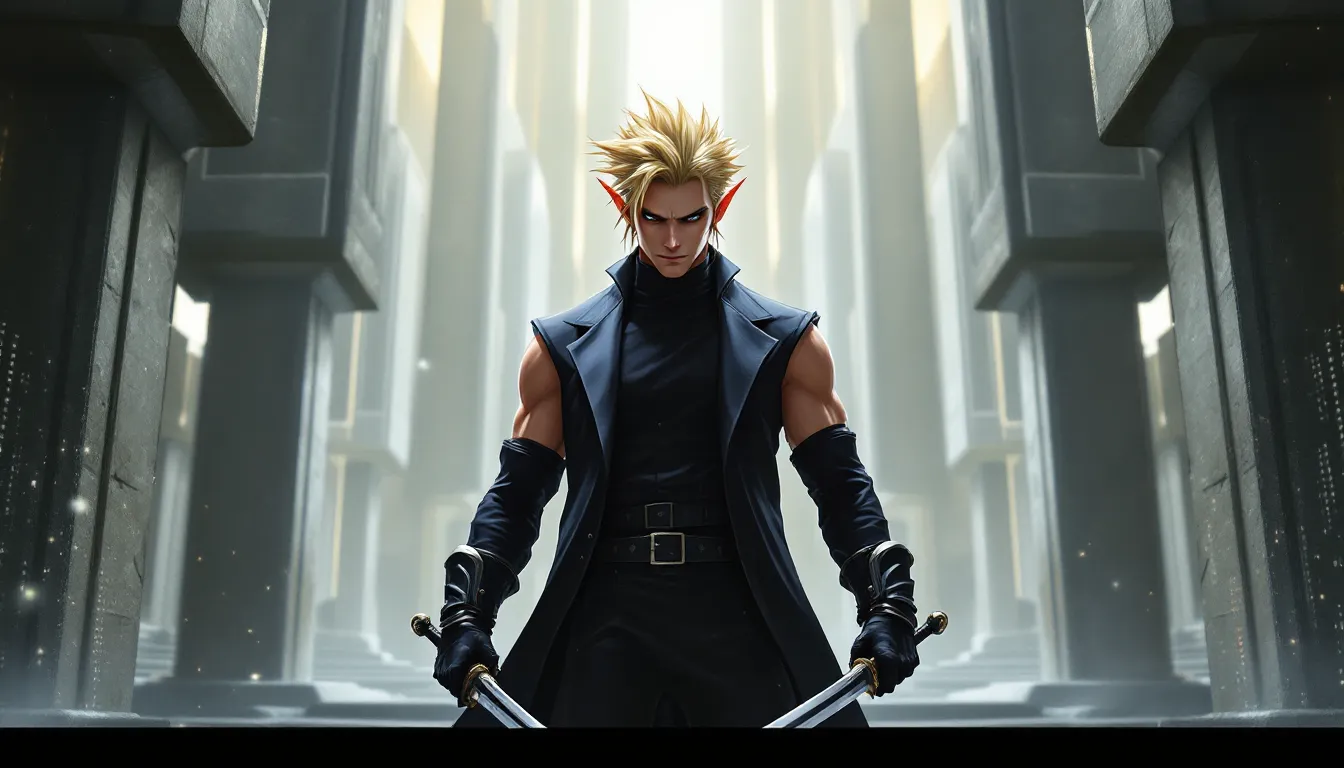
ToggleZidane Tribal stands as one of gaming’s most beloved protagonists, and for good reason. As the main character of Final Fantasy IX, he embodies everything that makes the series special: charm, depth, and a genuinely compelling character arc that hits harder than you’d expect from a thief with a monkey tail. Whether you’re replaying FFIX for the first time in years or gearing up for the upcoming remakes, understanding Zidane’s mechanics, backstory, and role in the larger Final Fantasy universe is essential. This guide covers everything you need to know about the character who stole our hearts, and plenty of items along the way. We’ll break down his combat abilities, optimal builds for every game phase, and why he remains a fan-favorite even after nearly three decades of Final Fantasy releases.
Key Takeaways
- Zidane Tribal’s character arc transforms him from a comedic thief into a philosophical protagonist grappling with artificial origins and existential meaning, making him one of gaming’s most compelling protagonists in Final Fantasy IX.
- Zidane excels in combat through Steal and Mug abilities, speed-based attacks, and Trance mechanics that provide burst damage—requiring optimal equipment progression through synthesis of daggers like Excalibur and Ultima Weapon for endgame viability.
- Unlike heavy attackers such as Steiner, Zidane Final Fantasy thrives as a finesse physical attacker with utility, making him essential for boss fights where stealing specific items before combat significantly reduces difficulty.
- Zidane’s upbeat personality masks deeper existential struggles, and his journey of choosing his own purpose despite artificial creation resonates with audiences seeking protagonists with authentic emotional depth beyond typical JRPG tropes.
- Nearly three decades after FFIX’s release, Zidane remains a beloved cultural icon in Final Fantasy fandom, consistently ranking among top protagonists and experiencing renewed relevance through modern remakes and platform releases.
Who Is Zidane Tribal?
Background And Origin Story
Zidane Tribal begins Final Fantasy IX as a seemingly straightforward character: a street orphan adopted by Regent Cid and raised in the theater district of Alexandria. He works as a member of the Tantalus Theater Troupe, ostensibly as a simple thief and performer. But there’s far more beneath the surface.
His real origin, which unfolds across the narrative, reveals him to be a Genome, an artificial being created by Garland in the Lost Continent of Terra. This revelation fundamentally reframes Zidane’s identity and motivations. He wasn’t born naturally: he was designed as a weapon and soul to inhabit a different world. Yet unlike his creator’s intentions, Zidane develops genuine emotions, friendships, and a will to protect others. This tension between his artificial nature and authentic humanity drives much of his character development.
Zidane’s adoption by Regent Cid (who wasn’t actually the regent, just a scholar posing as one) and his upbringing in Alexandria grounds him in a world far removed from his true origins. This disconnect makes his journey across Final Fantasy IX more meaningful, every step is an act of defiance against his programmed purpose.
Personality And Character Development
What makes Zidane memorable isn’t just his abilities or plot importance: it’s his personality. He’s optimistic, sometimes annoyingly so, with a tendency toward flirtation and mischief. Early in the game, he’s the comic relief, cracking jokes, making passes at Dagger, and maintaining an almost reckless confidence even though being vastly outmatched by the forces he faces.
But as the narrative progresses, Zidane’s cheerfulness becomes his shield. Players eventually understand that his upbeat demeanor masks existential dread. When he learns the truth about his origins, that he’s artificial, created for a purpose that no longer makes sense, his personality doesn’t collapse: instead, it deepens. He grapples with whether his feelings and connections are “real” or simply programmed responses. This philosophical struggle elevates him beyond typical JRPG protagonist territory.
By endgame, Zidane has evolved into a character who’s genuinely earned his role as a hero. He chooses to protect others not because of his programming, but because he wants to. The journey transforms his seemingly frivolous thief persona into something profound: a person fighting to define his own existence.
Zidane’s Role In The Story
Early Game And The Theater
Zidane’s introduction immediately sets the tone. He’s part of a theatrical heist gone wrong, the Tantalus Theater Troupe intends to kidnap Princess Dagger during a performance in Alexandria. What starts as a comedic crime scheme quickly escalates when Dagger willingly joins the party, fleeing her home for reasons of her own.
This early arc is important because it establishes Zidane’s core characteristics under pressure. He’s quick-thinking, adaptable, and surprisingly capable in combat even though his youth and inexperience. The theater district sequences also introduce the game’s charm: Zidane’s banter with Blank and Marcus, his immediate chemistry with Dagger, and his role as the heart of a found family. The Tantalus scenes ground the story in character relationships before the world-threatening stakes arrive.
During this section, Zidane also gets his first taste of real danger. The Black Waltz encounters force him to adapt. He’s not immediately powerful, which makes his progression feel meaningful. By the time the party leaves Alexandria, you’ve already understood why Zidane matters: he brings people together and refuses to back down, even when heavily outmatched.
Mid-Game Revelations And Conflict
As Final Fantasy IX progresses, Zidane’s simple quest to protect Dagger becomes entangled in a much larger conflict. The party discovers that Queen Brahne seeks to control Eidolons (summoned creatures), and later, that Kuja, a mysterious mage with his own agenda, manipulates events behind the scenes.
Zidane’s mid-game role shifts from hero to investigator. He travels across the world, uncovering secrets about the planet’s nature and Kuja’s true intentions. This is where his Thief abilities shine mechanically, as puzzles and optional content require the party to navigate complex environments.
The emotional core of mid-game centers on Zidane’s relationship with Dagger and his growing realization that the world’s fate rests on his shoulders. He doesn’t handle this gracefully at first, there are moments where his confidence cracks. These scenes are crucial because they establish him as human (or at least emotionally equivalent) rather than a chosen one blessed by destiny. He’s terrified, doubtful, but he keeps moving forward.
By mid-game’s conclusion, when the party reaches the Iifa Tree and confronts Kuja for the first time, Zidane has evolved from a street thief into someone capable of standing against world-threatening forces. Yet he’s still out of his depth, setting up the late-game crisis perfectly.
Late Game And Final Confrontations
Late-game Final Fantasy IX strips away Zidane’s optimism and forces him to confront the truth: he’s artificial, and Kuja is essentially his brother, another creation designed to be a weapon. This revelation devastates Zidane. Unlike earlier story beats where he rises to challenges, he genuinely breaks down. There’s a sequence where Zidane abandons the party entirely, convinced that his existence is meaningless and that he’s just a programmed tool incapable of genuine choice.
This narrative choice is bold. Most JRPGs wouldn’t have their protagonist actively leave the party out of existential despair. But Zidane’s breakdown feels earned and necessary. It makes his eventual return, when he decides to fight not because he was created to, but because he chooses to protect his friends, monumentally satisfying.
The final confrontations, against Trance Kuja and then Necron, the embodiment of death itself, are where Zidane’s character arc reaches completion. He fights not as a programmed weapon, but as someone who has defined his own purpose. His Trance state, which powers up his abilities and can be triggered through Limit Break-like mechanics, becomes a visual representation of his internal power rather than external programming.
Zidane’s role in the ending isn’t to save the world through some predetermined destiny. It’s to choose, moment by moment, to protect those he cares about. That choice defines him more than his origins ever could.
Abilities And Combat Skills
Thief Skills And Dagger Commands
Zidane’s combat identity revolves around his Thief job class, which is unlocked immediately and refined throughout the game. Unlike heavy hitters like Steiner, Zidane excels at speed, precision, and utility rather than raw damage output.
His signature move is Steal, which targets a single enemy and pilfers an item from their inventory. This ability has mechanical value beyond flavor, certain boss fights are significantly easier if you steal specific items first (like stealing a weapon from a boss before they use powerful attacks). Learning to use Steal efficiently separates adequate players from skilled ones.
Zidane gains access to multiple Dagger command abilities as he levels:
- Dagger: Standard physical attack with dual-wield daggers
- Steal: As mentioned, your primary utility ability
- Dodge: Grants increased evasion for a turn (situational but useful against heavy hitters)
- Free Energy: Enables Zidane to evade a physical attack automatically (decent for survivability)
- Double Steal: Learned through ability advancement, allows two steal attempts in one turn
- Flee: Grants guaranteed escape from random encounters (less useful in boss fights)
The Thief skill tree progresses naturally, and by endgame, Zidane becomes capable of stealing multiple items per turn with proper ability assignments and equipment synergy.
Learned Abilities And Soul Breaks
Beyond his Thief commands, Zidane learns abilities through Ability Points (AP) gained in combat. Equipping weapons and armor grants AP toward specific abilities. Once you accumulate enough AP, the ability becomes permanently available regardless of equipped gear.
Key abilities Zidane should learn include:
- Mug: Combines steal with physical damage. Costs more MP but lets Zidane attack and steal simultaneously
- Trance: Zidane’s ultimate state (similar to Limit Breaks in other Final Fantasy titles). In Trance, his abilities become more powerful and he gains access to enhanced commands. His Trance abilities include Dyne (massive single-target damage) and Grand Summon (summons powerful creatures at no cost)
- Ability Up: Increases the effectiveness of learned abilities
- High Spirits: Boosts stats when HP is high
- Concentrate: Increases Magic Power for magic-based attacks
Zidane also has access to Soul Breaks (a mechanic borrowed from Final Fantasy Record Keeper and other recent titles, though the original FFIX uses Trance). His primary damage scaling comes from Trance, which dramatically increases ability potency and turns him into a sustained damage dealer rather than a burst specialist.
For optimal combat effectiveness, leveling through specific enemy encounters that grant high AP values is crucial. Early grinding against enemies like Goblins (near the starting village) yields decent AP but becomes inefficient quickly. By mid-game, enemies like the Blue Nargles and later encounters scale better for AP farming.
Equipment And Weapons Guide
Best Daggers For Each Game Phase
Zidane’s damage output scales directly with his equipped dagger, making weapon progression essential. Unlike swords or other weapons, daggers are specifically designed for his toolkit and provide synergy with Steal and Mug abilities.
Early Game (Disc 1)
Zidane starts with a basic Dagger. Early upgrades are limited, but the Mythril Dagger becomes available after a few hours of play, roughly doubling attack power. The Short Sword is also obtainable early and provides a slight attack boost with minimal stat trade-offs. Focus on equipping these as soon as accessible: the attack difference is noticeable in random encounters and boss fights.
Mid-Game (Discs 2-3)
As you progress and gain access to synthesis (the game’s crafting system), the Stellar Dagger and Mithril Dagger become craftable with gathered materials. The Blood Sword (a later-mid-game option) gains additional power through Zidane’s Thief abilities, making it excellent for sustained damage phases.
The Demon’s Dagger is a significant upgrade that appears in Disc 2’s later sections. It combines decent attack with status effects, providing versatility in challenging encounters. If you’re not farming specific materials, this should be your go-to mid-game dagger.
Late Game (Disc 4)
By endgame, the Excalibur dagger becomes available through synthesis or as a rare drop. This is Zidane’s ultimate weapon, providing the highest attack stat alongside bonus Holy elemental damage. If you’re running a Holy-affinity build, Excalibur synergizes perfectly.
Alternatively, the Ultima Weapon (a final-stage synthesis recipe) represents the theoretical maximum for attack stats, though some players prefer Excalibur for its elemental affinity and status bonuses.
Specific synthesis locations and material requirements:
- Stellar Dagger: Requires Mythril, Ore, and Ore fragments (synthesize in Treno)
- Excalibur: Requires Holy Mist and rare materials (synthesize in Memoria)
- Ultima Weapon: Requires Pumice Pieces and endgame materials (synthesize in Memoria’s final area)
Armor And Accessory Recommendations
Zidane’s armor choices balance attack output with survivability. Unlike Steiner (heavy armor) or Vivi (robe), Zidane benefits from light armor that maintains mobility and allows faster command execution.
Armor Progression
- Early: Leather Armor/Leather Hat (starting gear), upgrade to Silk Robe and Leather Cap around Disc 1’s midpoint
- Mid-Game: Black Coat and Circlet provide solid defense with Thief-specific bonuses. This combo is optimal for Disc 2-3 when resource scarcity might prevent ideal synthesis
- Late-Game: Red Jacket (synthesized) combines defense with Trance rate increases, making Zidane hit his power state more frequently. Mage’s Hat provides Magic stat boosts if you’re using his limited magic arsenal
Accessory Recommendations
Accessories dramatically impact Zidane’s effectiveness without occupying armor slots:
- Lapis Lazuli: Early game, grants +1 HP per level (compounding defense gains)
- Maiden Prayer: Mid-game, auto-casts Regen after combat rounds
- Pumice Piece: Increases Trance rate by 50% (essential for endgame sustained damage)
- Rosetta Stone: Late-game, increases all stats by 10% (flat improvement across the board)
- Eiko’s Pendant: Situational but powerful, grants random beneficial effects including Haste, Protect, or Shell
For optimal builds, pair Red Jacket with Pumice Piece (for Trance frequency) and Rosetta Stone (for overall stats). This combination transforms Zidane into a consistent damage dealer who reaches his power state more reliably, dramatically increasing endgame DPS.
Leveling Strategies And Optimal Builds
Early Game Grinding And Stat Prioritization
Zidane’s stat growth is naturally balanced, but early-game grinding significantly impacts your mid-game difficulty. Unlike some FF protagonists, Zidane benefits most from Speed and Attack stat prioritization early.
Optimal early-game grinding locations:
- Goblins (outside the starting village): Low HP, grant ~80 EXP each. Not efficient for speed, but accessible immediately
- Blue Nargles (Mist Continent): Better EXP-to-time ratio (~120 EXP). Farm here once accessible
- Goblin Mages (South Gate area): Similar to Nargles, good for Disc 1’s mid-section
- Lamia Sisters: Provide 600 EXP per encounter. Farm this zone if you want rapid level progression and can handle moderate difficulty
Early-game stat distribution should prioritize:
- Speed (SPD): Determines turn order and Zidane’s ability to Steal before enemies act. A Speed difference of even 5 points significantly impacts action ordering
- Attack (ATK): Zidane’s physical damage scales directly from this stat. Unlike magic-heavy characters, he needs ATK investment
- Defense (DEF): Secondary priority. Zidane isn’t a tank, but he needs enough DEF to survive random encounters (100+ DEF by Disc 2)
- Magic/Spirit: Dump stats for Zidane. He has minimal magic scaling and magic defense isn’t his role
By Level 20 (end of Disc 1), Zidane should have:
- Speed: 18-22 (allows him to act before most enemies)
- Attack: 55-70 (scales with dagger selection)
- Defense: 45-55 (acceptable for early boss fights)
- HP: 250-350 (ensure he survives two-hit combos from boss enemies)
Endgame Builds And Synthesis Preparation
Endgame Zidane builds diverge based on your playstyle: Burst Damage, Sustained DPS, or Utility/Support.
Burst Damage Build (Optimal for boss fights)
Focus on maximizing Trance uptime and damage output during Trance states:
- Weapon: Excalibur or Ultima Weapon
- Armor: Red Jacket + Circlet
- Accessories: Pumice Piece (Trance rate) + Rosetta Stone (flat stats)
- Ability Setup: Mug, Trance, High Spirits, Dyne
- Strategy: Build Trance meter through physical attacks, trigger Trance during critical phases, unleash Dyne for massive single-target burst
This build treats Zidane as a finisher, he sets up damage during normal combat, then explodes during Trance. Against single-target bosses, this approach provides 3-4x normal damage output.
Sustained DPS Build (Optimal for longer encounters)
Prioritize consistent action availability and ability spam:
- Weapon: Demon’s Dagger (provides status effects alongside damage)
- Armor: Black Coat + Mage’s Hat
- Accessories: Maiden Prayer (auto-Regen) + Eiko’s Pendant (random buffs)
- Ability Setup: Mug, Concentrate, Ability Up, Free Energy
- Strategy: Focus on consistent Mug chains, layer defensive abilities, and maintain Regen ticking
This build sacrifices peak damage for reliability. Against enemies with high single-target attacks or damage-over-time effects, sustained builds prevent party wipes better than burst setups.
Utility Build (For speedruns and challenge runs)
Zidane becomes a crowd-control and item-generation machine:
- Weapon: Mythril Dagger (attack matters less)
- Armor: Silk Robe + Leather Cap
- Accessories: Lapis Lazuli (HP scaling) + Pumice Piece
- Ability Setup: Steal, Double Steal, Dodge, Flee
- Strategy: Farm rare items, trigger Steal chains for resources, focus on evasion rather than direct combat
Utility builds aren’t optimal for pure damage, but they enable specific challenge runs. For instance, Final Fantasy Completionist players who want to gather every rare item before facing final bosses should lean toward Utility builds during exploration phases.
Synthesis Preparation (Mandatory for Endgame)
Zidane’s equipment path requires significant synthesis. Prepare by:
- Gathering materials from random encounters and boss drops (start saving rare drops from Disc 1)
- Stockpiling Gil (~50,000+ Gil for mid-game synthesis)
- Locating synthesis shops: Treno (Disc 2), Lindblum (Disc 3), and Memoria (Disc 4)
- Prioritizing weapon > armor > accessories (weapons provide the highest damage scaling)
Key synthesis timeline:
- Disc 1 end: Have Mythril Dagger synthesized
- Disc 2 mid: Upgrade to Demon’s Dagger or Stellar Dagger
- Disc 3: Target Blood Sword if accessible
- Disc 4: Synthesize Excalibur or Ultima Weapon (requires 60%+ of rare materials)
For endgame viability, aim to have Excalibur + Red Jacket + Rosetta Stone equipped before facing Kuja. This setup ensures Zidane maintains damage relevance against final bosses.
Zidane Vs. Other Party Members
Comparing Zidane to other party members requires understanding role differentiation. Final Fantasy IX intentionally designed each character for distinct mechanical niches rather than interchangeable builds.
Zidane vs. Steiner (Physical Attackers)
Steiner is the “heavy” physical attacker, higher base attack, heavy armor, and tank-like survivability. Zidane is the “finesse” attacker, lower base attack but higher speed and utility through Steal/Mug.
In pure DPS comparisons, Steiner outdamages Zidane through sheer stat allocation. But, Zidane’s Steal mechanics provide resource generation and potential boss debuffs that Steiner cannot replicate. For endgame bosses, Zidane’s ability to extract specific items before a fight escalates in difficulty justifies including him over Steiner in optimized parties.
Favorite party composition includes both: Zidane handles fast enemies and item farming, Steiner handles heavy boss phases requiring sustained tanking.
Zidane vs. Freya (Damage Specialists)
Freya, the Dragoon, provides burst damage through Jump abilities that rival Zidane’s Trance state but with different timing. Jump charges over a turn, then deals damage next turn (delayed gratification), while Zidane’s Trance triggers immediately and provides sustained enhanced abilities.
Freya excels against groups of weak enemies (AOE Jump covers multiple targets). Zidane excels against single strong enemies (Mug + Steal provides advantages in boss fights). Speed is roughly equivalent, making this a preference choice rather than a mechanical superiority issue.
For challenge runs on harder difficulties, experienced players often recommend Freya for easier enemy clear phases and Zidane for boss-heavy sections.
Zidane vs. Garnet/Dagger (Magic Users)
This comparison is less relevant since they fill completely different roles. Garnet provides healing, summoning, and support magic, Zidane provides physical damage and utility. A balanced party includes both. But, Zidane’s Concentrate ability allows him to boost Garnet’s Magic Power if he’s set up as a support-hybrid, creating interesting party synergies.
Zidane vs. Vivi (Magic Damage)
Similarly, Vivi (Black Mage) specializes in high-damage magic spells. Zidane’s physical damage doesn’t compete with spell potential, but Zidane’s superior speed and survivability often make him more useful in encounter-by-encounter play. Vivi is required for specific story segments, but Zidane is generally more flexible across diverse enemy types.
Optimal Party Compositions
For most of the game: Zidane, Garnet, Freya, Vivi provides balanced coverage across physical/magical damage, healing, and utility.
For endgame/boss rushes: Zidane, Garnet, Steiner, Freya trades magic output for raw survivability and physical damage, useful for ultra-hard bosses where sustain matters more than kill time.
For speedruns: Zidane, Garnet, Freya, Vivi (full DPS + essential healing) minimizes unnecessary abilities and focuses on efficient enemy elimination.
Zidane himself is mandatory for story progression, but his role flexibility means players can emphasize or de-emphasize him depending on party needs. Unlike some protagonists who are strict upgrades, Zidane works best as part of a cohesive party rather than a solo carry option.
Zidane In Fan Culture And Legacy
Zidane Tribal has achieved rare longevity in fan spaces. Over two decades after Final Fantasy IX’s original release, he remains one of the franchise’s most beloved protagonists, a status that says something profound about his character design and narrative execution.
Fan Preferences And Community Reception
Within Final Fantasy fandom, Zidane consistently ranks in top-5 protagonist lists, competing with Cloud, Tidus, and Squall for prominence. What distinguishes him is accessibility. Unlike Cloud’s brooding trauma or Squall’s emotional distance, Zidane’s upbeat personality made him immediately likeable to newer players while his narrative complexity satisfied veterans.
Fan communities (particularly on Reddit’s r/FinalFantasy and specialist forums) frequently cite Zidane’s character arc as more satisfying than other FF protagonists. His existential crisis feels earned rather than imposed, and his resolution, choosing his own purpose even though artificial origins, resonates deeply with audiences grappling with identity and agency.
Zidane also benefits from strong character dynamics. His relationships with Dagger, Freya, and even Blank generate substantial fan fiction and community discussion. The “will-they-won’t-they” romance with Dagger (which eventually confirms “they will”) kept engagement high even during the game’s slower pacing sections.
Representation In Modern Media
Zidane has appeared in numerous Final Fantasy spin-offs and crossovers:
- Dissidia Final Fantasy / Dissidia 012: Zidane represents FFIX in this fighting-game crossover series, designed as a fast, high-mobility character matching his in-game role
- Final Fantasy Record Keeper: Features multiple Zidane abilities and equipment from throughout FFIX, including his Trance and Mug mechanics
- Final Fantasy Brave Exvius: Cross-promotion included Zidane as a 5-star unit with FFIX-specific abilities
- Theatrhythm Final Fantasy: Zidane appears in these rhythm-game spin-offs, usually tied to iconic FFIX tracks
Coverage across gaming sites frequently revisits Zidane’s design and cultural impact, particularly around FFIX remake announcements and Final Fantasy anniversary celebrations. This sustained media presence keeps him relevant to both nostalgic players and newer audiences discovering the series.
The “Zidane Is Underrated” Discourse
Paradoxically, even though clear popularity, fan communities consistently treat Zidane as “underrated” compared to Cloud or Squall. This likely stems from FFIX’s historical position as the franchise’s perceived “less serious” entry and Zidane’s positioning as a comedic character (at least initially).
Recent years have seen rehabilitation of both FFIX and Zidane’s critical standing. Think pieces on gaming sites examine Zidane’s existential themes, theming of choice vs. programming, and how his journey subverts typical JRPG narrative tropes. This renewed analysis suggests Zidane’s story depth was underappreciated during FFIX’s initial release cycle.
Influence On Modern Character Design
Zidane’s mechanics and personality influenced subsequent FF protagonists. Games like Final Fantasy XV and beyond incorporated elements of Zidane’s charm-with-depth approach, recognizing that protagonists could be likeable while still grappling with existential stakes.
His design also established a template for “quick physical attacker” archetypal roles that persisted through the franchise. The Thief/Speed character became a beloved archetype partly due to how well Zidane executed it mechanically while maintaining narrative relevance.
Current Status In Final Fantasy Discourse
With Final Fantasy IX remakes in development and the original game receiving renewed attention through modern platforms (PS4/PS5 ports, Switch versions), Zidane is experiencing a cultural resurgence. New players discovering FFIX for the first time, combined with nostalgic veterans revisiting the game, generates constant community discussion.
Zidane represents something increasingly rare in modern gaming: a protagonist who feels genuinely happy, makes mistakes without catastrophic consequences dominating his arc, and solves problems through cleverness rather than power escalation. This antithetical approach to modern grimdark narratives makes him oddly fresh even though his age.
The character’s legacy isn’t fading: if anything, it’s deepening as audiences recontextualize FFIX’s place in the franchise. Zidane stands as a reminder that Final Fantasy’s golden age wasn’t defined solely by technical innovation or visual spectacle, it was defined by characters like Zidane Tribal, whose hearts mattered more than their swords.
Conclusion
Zidane Tribal represents the complete package: mechanically solid, narratively compelling, and culturally resonant even decades later. Whether you approach him as a speedrunning damage dealer, a character study in artificial consciousness, or simply a protagonist worth rooting for, he delivers across multiple dimensions.
For new players jumping into Final Fantasy IX, Zidane provides an accessible entry point, his upbeat personality eases players into a lengthy JRPG while his depth rewards attention to story details. For veterans and completionists, optimizing his builds, farming specific equipment, and appreciating his narrative layers offers mechanical and emotional payoff.
His role in the broader Final Fantasy legacy shouldn’t be understated. At a time when the franchise struggled with direction post-X, FFIX’s return to classic Final Fantasy values, anchored by Zidane’s charm and genuine character development, proved that what made the series special wasn’t technical wizardry but the stories and people inhabiting those worlds.
Zidane Tribal stole our hearts as effectively as he steals items from enemies. That combination of mechanical usefulness and emotional authenticity ensures he’ll remain a gaming icon for generations to come.