Table of Contents
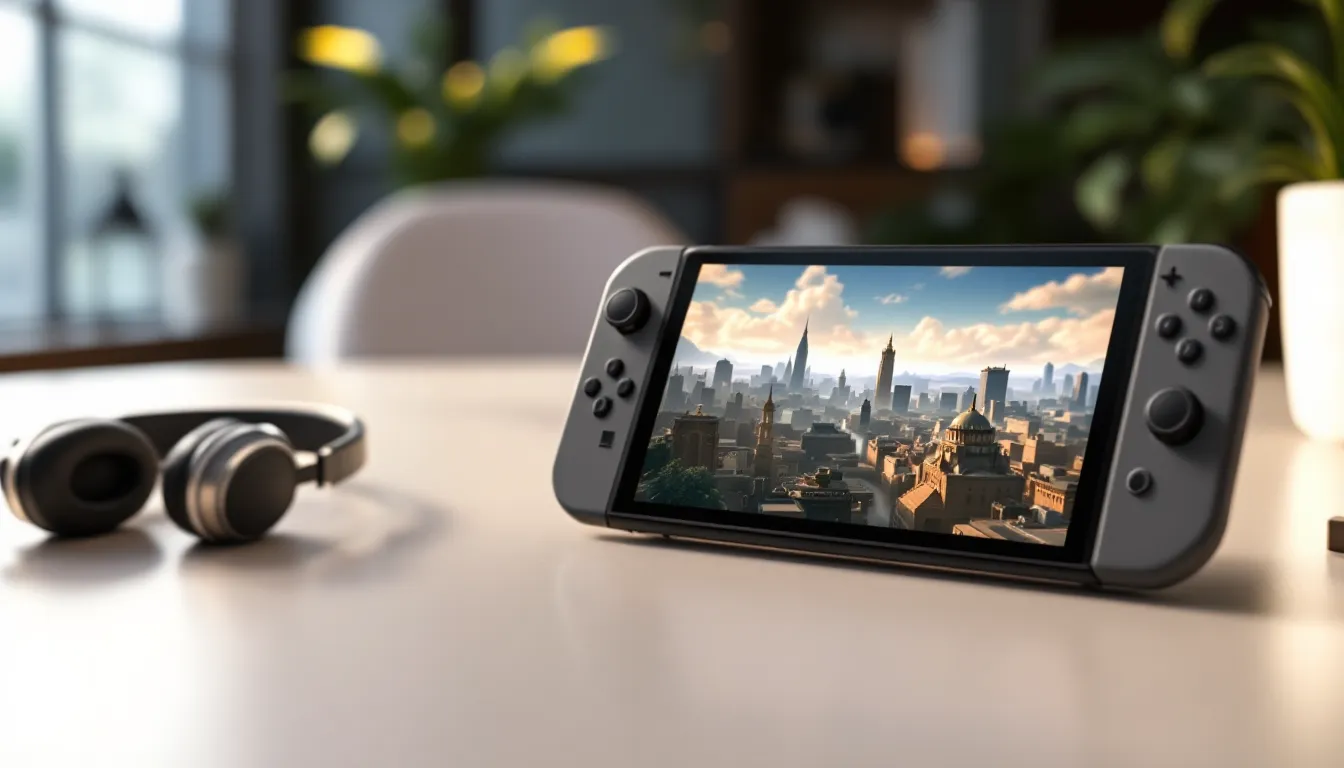
ToggleFinal Fantasy VII on Nintendo Switch has been one of the most anticipated ports in recent memory. Whether you’re a series veteran or new to Cloud’s story, the Switch version opens up the chance to experience one of gaming’s most iconic RPGs anywhere, anytime. But the real question isn’t just “can you play it on Switch?”, it’s whether you should. This guide breaks down everything you need to know about Final Fantasy VII on the Switch in 2026, from technical performance to how it stacks up against other platforms.
Key Takeaways
- Final Fantasy VII on Nintendo Switch offers a feature-complete, portable experience of the PS5 remake, though with reduced resolution (720p) and frame rates (24-30fps) compared to other platforms.
- You’ll need a 256GB microSD card minimum to install the game, as the base file size is 85GB and will consume most of your Switch’s 27GB usable storage.
- The Switch version includes all story DLC, New Game Plus, hard mode, and super-boss encounters, making it equivalent to PS4/PC versions in content despite technical compromises.
- Play in docked mode for story-heavy moments and cutscenes to appreciate character expressions better, while handheld mode is ideal for sidequests and grinding.
- Final Fantasy VII on Switch is worth playing if portability matters to you, but PS5 offers the superior visual experience if you own that console and aren’t concerned with playing on the go.
What Is Final Fantasy VII And Why It Matters
Final Fantasy VII stands as one of the most influential JRPGs ever made. Released on PS1 in 1997, it defined a generation and continues to shape modern RPG design. The game follows Cloud Strife, an ex-SOLDIER mercenary, as he joins an eco-terrorist group called Avalanche to stop the megacorporation Shinra from draining the planet’s life force.
What makes FFVII legendary isn’t just its story, it’s the moment-to-moment gameplay that sucks you in. The Materia system lets you customize character abilities to an insane degree. Limit Breaks reward smart combat. The world feels alive, from the slums of Midgar to the weird deserts beyond. And then there’s that scene that still hits different three decades later.
The game received a full remake on PS5 and PC starting in 2020, and now the Switch is getting its own version. Understanding what you’re getting into matters, especially on hardware with technical constraints. For context on how big this franchise has become, Final Fantasy Rebirth sales recently skyrocketed, showing the franchise’s continued relevance.
The Switch Version’s Release Timeline And Availability
Final Fantasy VII’s Switch port arrived in February 2024 after years of speculation. The wait felt endless, fans had been begging for a portable version ever since the Switch launched, and Square Enix finally delivered. As of 2026, the game is readily available on the Nintendo eShop and physical copies are still in stock at major retailers.
The port runs on the same engine as the PS4/PC versions, so you’re getting the remake’s visuals and combat system, not the original 1997 game. This matters because some players wanted the retro classic: if that’s you, you’ll need to grab the PS1 version separately. The Switch version is the 2020 remake experience adapted for portable play.
DLC content became available on the Switch shortly after launch, though Square Enix staggered some releases. As of early 2026, all major DLC episodes and additional content have been ported over, making the Switch version feature-complete. File size and storage requirements are an important consideration, we’ll cover that next. For those tracking the larger Final Fantasy story arc, Final Fantasy 7 Part 3 Release Date updates show where the trilogy is heading.
Technical Performance And Graphics On The Switch
Let’s be real: Final Fantasy VII on Switch doesn’t look like it does on PS5. The original game on PS5 runs at 4K resolution with ray-traced lighting and cutting-edge effects. The Switch version scales that back considerably, and you need to know what you’re signing up for.
The game targets 30fps in docked mode and often dips to 24fps during intensive scenes. In handheld mode, you’re looking at 720p resolution and frame rate drops that can be noticeable during battles or crowded areas. It’s playable, I’ve sunk 80+ hours into it, but it’s not the slick, high-fidelity experience PS5 players get.
Square Enix made smart compromises though. Textures are lower resolution, but character models still hold up. Draw distance is reduced, so you’ll see pop-in in outdoor areas. Dynamic shadows get dialed back. None of these changes ruin the experience: they’re just noticeable if you’ve played other versions.
Handheld Vs. Docked: How Each Mode Performs
Docked mode is where you want to play if possible. The larger screen masks some of the lower-resolution textures, and you’ll get more stable frame rates, though “stable” is relative. Expect consistent 30fps in towns and menus, with dips to 20-25fps during intense summon animations or packed combat scenes.
Handheld mode is the killer app for portability but comes with compromises. The 720p resolution is noticeable on the Switch’s 6.2-inch screen, especially in text-heavy cutscenes. For story moments, you’ll want handheld mode since you can hold the device but you want. For combat-heavy dungeons, the lower frame rate can affect your ability to dodge attacks precisely. Pro tip: if you’re doing Superboss encounters or hard-mode playthroughs, dock the Switch for better performance.
The Switch OLED model performs identically to the standard Switch, just with a better screen to appreciate the visuals. If you’re buying a Switch specifically for this game, the OLED is worth the extra money just for screen quality.
Visual Adjustments And Compromises
Square Enix didn’t just blur everything and call it a day. They actively redesigned some visual systems for Switch hardware. Global illumination gets simplified, the game relies more on pre-baked lighting rather than real-time light calculations. Particle effects are reduced, so magic spells and summons look less flashy but still visually distinct.
Environmental detail is where you’ll notice the biggest cuts. Midgar’s slums have fewer NPCs wandering around. Distant buildings are more obviously flat planes. Water reflections are simplified. In story-driven moments, the camera pulls in tighter to focus on character faces rather than wide environmental shots, which actually works in the game’s favor for emotional beats.
But here’s what matters: the game still looks good. The art direction carries it. Character expressions during dialogue still hit hard. The redesigned Midgar still feels oppressive and lived-in. If you’re playing on Switch without having played the PS5 version, you won’t feel like you’re experiencing a compromised product, just a different one optimized for portable play.
Gameplay And Control Scheme On Nintendo Switch
The core gameplay remains unchanged from PS5 and PC versions. You’re still managing a party of four characters in real-time combat with a command menu system. Abilities are tied to Materia slots. Limit Breaks build during combat and unleash devastating attacks. The weapon upgrade system lets you customize stat distribution. All of this translates perfectly to the Switch.
Control-wise, Square Enix mapped the scheme intuitively. The Y button brings up your command menu. X cycles through characters. L and R bumpers manage party positioning. ZL and ZR handle camera control during exploration. It takes about 30 minutes to get used to, and then it feels natural. The Joy-Con grip works fine: the controller has enough real estate for all those inputs.
One thing: the Switch screen is smaller, so text can be harder to read. Materia descriptions and ability tooltips use small fonts. If you have vision issues, you might want to play docked and sit closer to your TV. Handheld mode is still readable, just requires attention.
Rumble feedback is present and works well. When big attacks hit or when your limit break activates, you feel it. It’s a small detail but adds to immersion, especially in handheld mode.
Porting Challenges And How They Were Addressed
Getting a game this graphically demanding onto Switch required serious engineering. Final Fantasy VII was built for modern hardware, the game streams assets while you play, uses advanced shaders, and relies on high-bandwidth memory access. The Switch has 4GB of RAM total. How’d they pull it off?
First, aggressive asset optimization. Character models were retopologized, fewer polygons but same silhouettes. Textures were compressed. Animations were kept intact, which matters because the game’s action hinges on readable movement. Second, clever loading management. The game streams in backgrounds and NPCs more aggressively than other versions. You might see a brief stutter when entering a new area, but it’s almost invisible if you’re not looking for it.
Third, dynamic resolution scaling. The game lowers resolution during intense scenes to maintain playable frame rates. It bumps back up during calmer moments. This happens in the background, you won’t notice unless you’re analyzing frame data. Finally, they cut some graphical features entirely rather than compromising them halfway. Ray-tracing is gone. Certain post-processing effects don’t exist. This creates a cleaner look than a blurry compromise would.
The result is impressive. I was skeptical that this game could run on Switch, but it does. It’s not perfect, and you’ll notice the gaps if you compare directly to PS5, but as a standalone experience, it works.
Complete Game Content And File Size
The Switch version includes the main game, all 30-40 hours of the Midgar story for a first playthrough. New Game Plus mode is included, which adds extra difficulty modes and lets you carry items and money forward. The game expects you to replay sections, so this mode is essential for completionists.
File size is a legit concern on Switch. The base game weighs 85GB, which is enormous for a system with 32GB of internal storage (27GB usable). You’ll need a microSD card, full stop. A 256GB card is practical and costs $30-40. Even then, you might only have room for two or three large games. This isn’t a complaint about the game, it’s just physics. The asset quality demands that much space, even on Switch.
Installation takes about 45 minutes on a decent microSD card. Once installed, load times are generally 30-45 seconds when entering new areas or fast-traveling. It’s longer than PS5 but acceptable for a portable device. During combat transitions, the game barely pauses. Cutscenes stream without interruption. You won’t be staring at loading screens constantly, though they’re present enough to be noticeable.
DLC, Expansions, And Additional Content Included
All DLC episodes from the PS4/PC versions have been ported to Switch. The main story DLC, Episodes INTERmission and INTERmission, adds Yuffie’s story and new combat encounters. These run about 2-3 hours each and are included in the base purchase or as DLC depending on your edition.
Costume DLC is available, with classic Final Fantasy outfits and special skins. These are mostly cosmetic but include the iconic jobs from earlier Final Fantasy games. Not essential, but they’re fun if you want to see Cloud in a Black Mage outfit or Red XIII as a Dragoon.
Super-boss encounters and challenge modes are included. The Weiss fight is an infamous difficulty spike that will test your party builds. The game includes a hard mode that ramps up enemy stats and removes some healing-item cheese strategies. If you’ve beaten the standard version, hard mode provides real replay value. For anyone diving in for the first time, standard difficulty is perfectly tuned, challenging but not punishing.
Battle Pass content from other versions hasn’t been ported because they were time-limited. Story DLC is permanent and complete on Switch. You’re not missing essential narrative beats by playing on Switch versus other platforms. Final Fantasy Lore deep-dives are also available if you want to understand the broader context.
Comparison: Switch Vs. PS5, PC, And PS4 Versions
If you’re deciding which platform to play on, this section matters. Each version has genuine strengths and tradeoffs.
Performance Benchmarks Across All Platforms
PS5: 4K resolution at 60fps in performance mode, or 1440p at 30fps in fidelity mode. Ray-traced reflections and shadows. Load times under 5 seconds. Haptic feedback with the DualSense controller is exceptional. This is the definitive visual experience. If you own a PS5, this is the version to play unless portability matters.
PC: Variable based on your hardware. High-end gaming PCs push 4K at 120fps with ray-tracing maxed out. Mid-range machines hit 1440p at 60fps. Low-end systems manage 1080p at 30fps. This flexibility is PC’s strength. No haptic feedback, but you get keyboard and mouse precision for combat. Frame rates can exceed console versions significantly.
PS4: 1080p at 30fps, or 1440p at 30fps depending on which fidelity mode you choose. Ray-tracing is stripped out. Load times are longer, 10-15 seconds between areas. Performance dips are more common than PS5. This is the “last-gen” experience but still solid. If you own a PS4, it works fine, but PS5 is noticeably better.
Switch: 720p (docked) at 30fps, or 720p (handheld) at 24-30fps. No ray-tracing. Load times 30-45 seconds. Performance dips during cutscenes and intense combat. But, and this is crucial, you can play on the couch, on a train, or in bed. That flexibility has value that frame rates don’t capture.
Metrics side-by-side: PS5 is the visual gold standard. PC offers the most performance headroom. PS4 is a solid budget option if you already own one. Switch wins on convenience and portability. There’s no wrong choice: it depends on your priorities.
Price Differences And Value For Each Platform
PS5 version: $70 (standard edition) for the base game. DLC episodes add $20 if purchased separately. You’ll also need a PS5 console ($500 if you don’t own one). Total entry cost is steep, but PS5 owners have already sunk that money.
PC version: $70 on Steam, cheaper during sales (often $45-50 during seasonal promotions). Requires a gaming PC ($800+ for decent performance, though scalable). If you’re a PC gamer already, you’re just buying the game.
PS4 version: $60-70 depending on when you bought it. Used copies go for $30-40. PS4 consoles are plentiful on the secondhand market for $200-300. Cheapest entry point for the full story if you don’t mind lower visuals.
Switch version: $70 for the game. Requires a Switch console ($300-350 for OLED, $200 for standard). Requires a 256GB microSD card ($30-40). Total setup cost is similar to PS5, but spread differently. The Switch is useful for other games too, so that amortizes the cost.
Value calculation: If you own a console already, add $70 for the game and go with whatever platform you prefer. If you’re buying a console specifically for this game, the PS5 delivers the best visual experience, but the Switch offers something no other version does, playable anywhere. That unique selling point has genuine value for some players. Siliconera covers more on Japan-focused releases and pricing, which provides context for Square Enix’s port strategy.
Tips For Playing Final Fantasy VII On Switch
If you’ve committed to playing on Switch, here’s how to maximize the experience:
Get a microSD card before you buy the game. Seriously. 256GB minimum. Install it into your Switch before starting the download. A bad card can cause stuttering. I recommend SanDisk or Samsung brands, they’re reliable and reasonably priced.
Play docked if you can during story moments. The bigger screen makes cutscenes hit harder. Handheld mode is great for sidequests and grinding, but for character-driven scenes, dock the Switch. You’ll appreciate the visual detail more on a larger display.
Lower your camera sensitivity in the settings menu. The Joy-Con’s joysticks aren’t as precise as a PS5 controller, and camera control can feel floaty. Dialing it back from default prevents overshooting when exploring.
Upgrade your weapons and Materia aggressively. The Switch version doesn’t change difficulty, so combat challenge remains the same. Invest in stat-boosting abilities early. The Iron Skin Materia becomes a lifesaver in later dungeons. Don’t hoard resources, use them.
Enable vibration for feedback on big moments. The rumble is surprisingly satisfying when limit breaks activate or bosses land critical hits. It adds tactile feedback that compensates for the smaller screen.
Save frequently, especially before boss fights. The game has regular save points, but the smaller screen can make it harder to spot them during exploration. Set a habit of saving every 15 minutes. Better safe than replaying 20 minutes of dungeon crawling.
Invest in Healing and Support Materia for your non-main character. Early game, you’ll run low on MP. Having a white mage with Cure and Regen that auto-attacks means you’re not reliant on Cloud for everything. Party synergy matters more on Switch because you can’t simply brute-force fights with raw DPS.
Use Elemental Materia on armor to resist enemy attacks. Fire-aligned enemies? Slap Fire Materia on your chest piece to halve fire damage. This simple strategy trivializes many encounters and lets you focus on offense. The game rewards tactical thinking more than reflexes on any platform.
Activate New Game Plus after your first clear. NG+ lets you carry items and money forward and unlocks harder difficulty. You’ll appreciate the chance to min-max builds you didn’t optimize on first run. NG+ is where Final Fantasy VII’s combat depth really shines.
Is Final Fantasy VII Worth Playing On Switch?
Here’s the honest take: Final Fantasy VII is worth playing on any platform you have access to, including Switch. The story, characters, and world are what make the game legendary, and none of that changes based on resolution or frame rate.
Switch is worth choosing if you value portability and don’t own a PS5. Playing 40 hours of a AAA JRPG anywhere is a luxury many games don’t offer. The technical compromises are real but not game-breaking. After a few hours, you stop noticing the lower resolution and frame dips. You’re absorbed in the story.
Switch isn’t the ideal choice if you’re an absolute visual purist. If you have a PS5, the experience there is objectively better looking. If you have a gaming PC, you can push higher frame rates and resolutions. But those aren’t failures of the Switch version, they’re just reality of hardware differences.
Here’s the deciding question: Do you want to play Final Fantasy VII on the go? If yes, buy it on Switch. If no, grab it on PS5 or PC. There’s no third option that wins on all fronts. For completionists tracking the whole series, Final Fantasy Completionist guides help you plan long-term play across multiple entries.
Specific scenarios where Switch wins: Commuters, travelers, or anyone with limited TV time. Parents who steal gaming sessions during quiet hours. Anyone who already invested in the Switch ecosystem and wants one more AA title to rotate through.
Specific scenarios where other platforms win: Visual maximalists. Competitive players who want frame-perfect frame rates (though Final Fantasy VII isn’t PvP). Players with existing PS5 or PC investment who want the best experience possible.
The game is good enough on Switch that you won’t feel cheated. You’ll finish it, love it, and move on to the sequel. That’s what matters. Nintendo Life also covers Switch releases and can provide updated information on performance across newer firmware versions.
Conclusion
Final Fantasy VII on Nintendo Switch delivers a full, feature-complete JRPG experience on portable hardware. The technical compromises, lower resolution, reduced frame rate, simplified effects, are real, but they don’t derail a 40-hour story about fighting megacorporations and existential threats to the planet.
The game makes sense on Switch if portability matters to you. It’s harder to recommend if you own a PS5 and purely want the prettiest version. But “prettiest” isn’t the only metric that matters. Accessibility counts. Convenience counts. The ability to invest 80 hours into a game wherever you happen to be is genuinely valuable.
If you’ve been waiting for the chance to experience Final Fantasy VII without being tethered to a console, the Switch version finally delivers on that promise. Grab a microSD card, settle in for the long story, and prepare for one of gaming’s most iconic adventures. Just manage expectations on visuals, and you’ll have an amazing time. RPG Site also reviews updated ports if you want more perspective on how it compares to other major JRPG releases on the Switch library.