Table of Contents
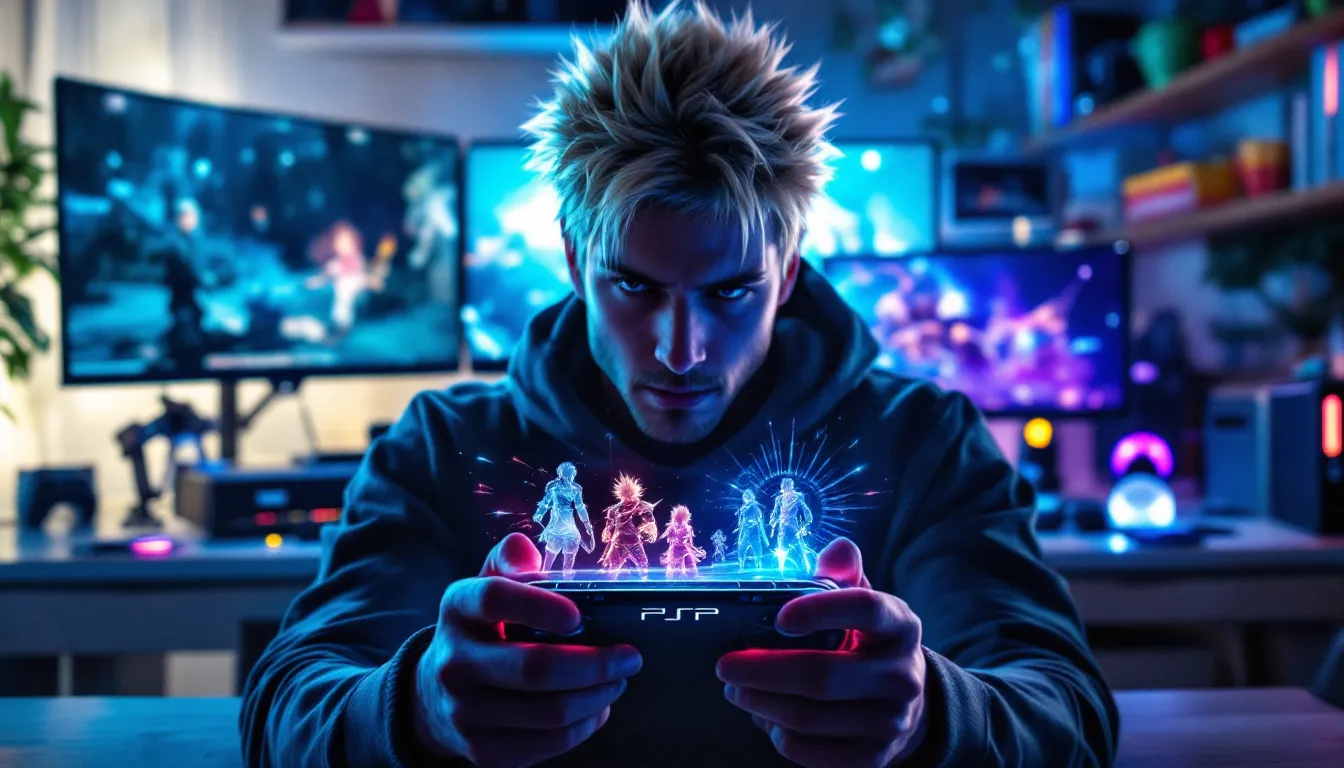
ToggleThe PSP might be long discontinued, but its library of Final Fantasy games remains a cornerstone of handheld gaming history. From the emotional depth of Crisis Core to the strategic brilliance of Dissidia, the PSP delivered experiences that rivaled their console counterparts, a feat many doubted possible on a portable device. In 2026, a new generation of gamers is discovering these titles through emulation, re-releases, and nostalgic collectors hunting down original hardware. Whether you’re chasing a beloved classic or exploring the series for the first time, understanding which PSP Final Fantasy games deserve your time is essential. This guide covers every major release, explains why these games still resonate, and shows you exactly how to play them today.
Key Takeaways
- PSP Final Fantasy games like Crisis Core, Type-0, and Dissidia remain essential handheld gaming experiences that matched console-quality storytelling and innovation, proving portable gaming didn’t require compromises.
- Crisis Core: Final Fantasy VII’s tragic narrative about Zack Fair and Dissidia’s fighting mechanics established new standards for portable RPGs and continue influencing modern game design frameworks.
- Multiple legitimate ways to play PSP Final Fantasy games exist today: Crisis Core Reunion on modern consoles, emulation via PPSSPP, original hardware, or Type-0 HD on PS4 and Xbox One, each with trade-offs in accessibility, legality, and authenticity.
- These games prioritize complete, paid experiences over the free-to-play monetization models of mobile Final Fantasy titles, delivering genuine mechanical depth and emotional storytelling without paywalls.
Which Final Fantasy Games Were Released on PSP
The PSP received a surprisingly robust Final Fantasy lineup between 2004 and 2012. Square Enix recognized the platform’s potential early and delivered multiple AAA-quality titles that justified ownership alone. Here’s what actually hit the system.
Final Fantasy VII Crisis Core
Crisis Core: Final Fantasy VII (2005 in Japan, 2007 worldwide) remains the most culturally significant PSP Final Fantasy game. This prequel to FF7 follows Zack Fair, a 1st Class SOLDIER, through his rise, corruption, and tragic fall. The narrative depth here is extraordinary, it recontextualizes the entire original game and adds layers that resonate with series veterans.
The battle system uses a real-time mechanic centered around a “Digital Mind Wave” (DMW) slot machine that triggers limit breaks and stat changes. This makes every fight feel dynamic compared to traditional turn-based systems. Zack’s progression from confident operative to a man facing his mortality is handled with genuine gravitas, and the game doesn’t pull punches during its ending sequence.
In 2022, Crisis Core Reunion arrived on PS4, PS5, Xbox One, Xbox Series X
|
S, Nintendo Switch, and PC via Steam with modernized visuals, reworked mechanics, and added content. If you haven’t played the original and want the experience without hunting for PSP hardware, Reunion is the definitive version, though PSP purists still prefer the original’s pacing.
Final Fantasy Type-0
Final Fantasy Type-0 (2011 in Japan, 2015 worldwide as Type-0 HD) stands apart as a high school military action game set in the war-torn nation of Orience. Fourteen students from Akademeia’s Class Zero fight back against an invading empire using real-time combat and unique elemental mechanics.
The combat is the star here. Unlike Crisis Core’s DMW system, Type-0 demands active input, you’re controlling one character at a time while directing three others via AI commands. Switching between Machina, Rem, Ace, and others mid-battle to exploit enemy weaknesses and chain abilities is fluid and rewarding. The difficulty scales brutally in later stages, so understanding each character’s DPS output and positioning matters.
Type-0’s narrative is intentionally obtuse and melancholic, touching on mortality, sacrifice, and cyclical warfare. The story unfolds non-linearly through multiple playthroughs, making it divisive, some players love the mysterious atmosphere, others find it frustrating. The PSP version is locked at 30 FPS with limited visual flourishes, while Type-0 HD (PS4, Xbox One) bumps to 60 FPS and HD resolution, though the porting work is rough in places.
Final Fantasy Dissidia Series
Dissidia: Final Fantasy (2008 in Japan, 2009 in North America) is a fighting game featuring heroes and villains from the entire numbered FF series. Cloud, Sephiroth, Squall, Ultimecia, Tidus, Jecht, everyone you know is here fighting on deformable arenas with summons and interactive environments.
The combat is grid-based but action-heavy. You’re moving in 3D space, chaining combo hits (Bravery attacks) to lower enemy Bravery, then landing finishing HP damage. It’s deceptively complex, spacing, prediction, and break timing matter enormously. Online multiplayer was decent on PSP (now defunct), but the 1000+ piece equipment system created legitimate build depth. Fans still consider the original Dissidia the peak of the series’ mechanical design.
Dissidia 012: Final Fantasy (2011) expanded the roster to 36 characters, added a more involved story mode (Prologus), and rebalanced the meta. It’s the safer sequel, refined rather than revolutionary. Both versions run at 60 FPS on PSP and are playable today via emulation or original hardware if you can find them.
Dissidia Final Fantasy NT arrived on PS4 in 2018 as a full console remake with 3v3 team battles, a different combo system, and modern visuals. It’s not a direct port, mechanically it’s a different beast, so PSP fans often prefer the original’s 1v1 simplicity.
Beyond these, Japan saw Final Fantasy IV: The After Years on mobile before a PSP port in 2011, offering a turn-based sequel to FF4 with classic job-based mechanics. It’s solid but overshadowed by the bigger titles.
Why PSP Final Fantasy Games Still Matter to Modern Gamers
It’s easy to dismiss old handheld games as quaint artifacts. But PSP Final Fantasy titles earned their staying power through genuine quality and innovation that still holds up.
Timeless Stories and Characters
Crisis Core’s Zack Fair has become iconic within the broader FF7 universe, especially after his starring role in Final Fantasy VII Remake. Players who never touched the original game now seek out the PSP original or Crisis Core Reunion specifically to understand the character’s weight in the narrative. His story, a young soldier realizing he’s being used and manipulated, fighting anyway because it’s right, resonates across generations.
Type-0’s Class Zero operates differently. These aren’t heroes destined by prophecy: they’re soldiers conscripted to fight and die. The game refuses to treat death as narrative window-dressing, which feels refreshing in an industry often allergic to consequences. Modern gamers primed on darker storytelling find that commitment compelling.
Dissidia, meanwhile, serves as the ultimate Final Fantasy celebration. Seeing Cloud and Tidus interact, understanding Ultimecia’s motivations through actual dialogue instead of speculation, these games function as a museum exhibit and interactive experience simultaneously. New fans use it as a gateway to understanding why these characters matter.
Portable Gaming Innovation
The PSP debuted in 2004 when handheld gaming meant Game Boy Advance-tier visuals and mechanical limits. Square Enix proving that you could fit complex stories, dynamic combat systems, and AAA production values into a device that fit in your pocket was revolutionary. Crisis Core’s visuals weren’t PS2-equivalent, but they came shockingly close. The cutscenes blew people’s minds at the time.
More importantly, these games established that “handheld” didn’t mean “simplified.” Crisis Core’s materia system, Dissidia’s rock-paper-scissors spacing mechanics, and Type-0’s real-time party switching all proved that portable platforms could house mechanically sophisticated games. That foundation influenced everything from Nintendo Switch ports to modern mobile Final Fantasy games. The PSP didn’t just bring Final Fantasy to your pocket, it proved handheld gaming could demand serious respect from serious players.
How to Play PSP Final Fantasy Games Today
Finding and playing these games in 2026 involves several viable paths. Your choice depends on budget, authenticity preference, and device availability.
Playing on Original PSP Hardware
The PSP (including the PSP Go, released 2009) is long out of production, but used units are readily available. A standard black PSP-3000 typically costs $80–150 depending on condition. Physical copies of Crisis Core, Type-0, and Dissidia range from $20–60 each on eBay or specialized retro game sites.
Why bother with original hardware? The experience is authentic, the controls are purpose-built (the PSP’s D-pad and analog stick work perfectly for these games), and there’s no setup required. You’re playing exactly as the developers intended. But, the PSP’s screen is small and prone to ghosting: you’ll want to use a TV composite cable or component cables for a sharper picture.
Finding copies in good condition matters. Dissidia is particularly worth hunting, it’s common enough that you can find copies, but prices have climbed as collectors recognize its value. Type-0’s original Japanese version is cheaper than the worldwide release: both play identically, though the Japanese version lacks English menus (a non-issue if you know what you’re doing).
Emulation Options for Modern Devices
Emulation is the path most modern gamers take. PPSSPP (a free, open-source PSP emulator) runs on Windows, Mac, Linux, Android, and iOS (via AltStore). The emulator has matured significantly, Crisis Core, Dissidia, and Type-0 run at full speed (60 FPS on most systems) with graphical upscaling that actually makes them look better than the original PSP version.
Setup is straightforward: download PPSSPP, dump your own PSP game files (if you own the original), load them into the emulator, and adjust controller settings for your device. On PC with a gamepad, the experience is genuinely superior to PSP hardware, you’re playing in 1080p or higher with consistent frame rates and zero ghosting.
Android users have excellent emulation options. PPSSPP is free and powerful: AetherSX2 also works. iPhone users are more limited, you’ll need to sideload via AltStore or use a jailbreak, making it less accessible than Android alternatives.
The legal gray area: Emulation itself is legal in most regions. Playing games you own is technically legal. Dumping copyrighted software you don’t own is not. If you’re playing PSP games through emulation without owning the originals, you’re in legally ambiguous territory, Square Enix doesn’t actively prosecute individual players, but the activity remains technically unauthorized.
Re-releases and Remakes
Square Enix has made several games available through official channels:
- Crisis Core Reunion (2022): PS4, PS5, Xbox One, Xbox Series X
|
S, Nintendo Switch, PC. This is the modernized experience with improved visuals, reworked mechanics (the DMW system feels less random), and new story content. It’s the official way to play Zack’s story today.
- Type-0 HD (2015): PS4, Xbox One. Ported from the PSP with upscaled visuals and 60 FPS on console. It’s functional but not exceptional: the port is known for occasional frame drops and rough UI scaling.
- Dissidia Final Fantasy NT (2018): PS4. A complete remake, not a port. Mechanically different from the PSP original (3v3 team battles instead of 1v1), but captures the spirit of character interactions and summon battles.
For Dissidia 012, there’s no official modern release, your options are original PSP hardware or emulation.
The trade-off: Official releases provide legal peace of mind and developer support, but remakes may change mechanics you value in the original. Emulation preserves the original experience but sits in legal gray area. Many gamers use both, Crisis Core Reunion for accessibility, then emulate the PSP original for comparison.
Best PSP Final Fantasy Games for Different Playstyles
Not all PSP Final Fantasy games suit every player. Here’s what to pick based on what you actually want from a gaming session.
Story-Driven Experiences
If narrative is your priority, Crisis Core: Final Fantasy VII is the obvious choice. The game structures itself around Zack’s journey with genuine emotional beats. Watching him evolve from naive soldier to tragic hero unfolds over 30–35 hours, and the ending will hit if you care about character work. The side missions (optional combat encounters) feel like filler, but the main story is tightly paced.
Final Fantasy Type-0 works here if you’re comfortable with ambiguity. The story doesn’t explain everything, that’s intentional. It’s told through cutscenes, optional character stories, and environmental details. Expect mystery over clarity, but the emotional core (Class Zero’s camaraderie against mortality) is genuine. Plan for 25–30 hours for a first playthrough.
Both games engage with real themes: mortality, manipulation, sacrifice, identity. They’re not light fantasy retreats, they demand engagement. If you want comfort gaming, these aren’t it. If you want stories that stick with you weeks later, they’re essential.
Action-Focused Gameplay
Dissidia: Final Fantasy is pure combat. You’re not here for plot, the story exists as window dressing for 60+ hours of 1v1 fighting. The learning curve is steep (spacing and break timing demand practice), but once it clicks, the depth is extraordinary. You’ll spend hours optimizing builds, testing character matchups, and refining combos.
If you want faster-paced action, Type-0 delivers. The real-time party switching, element-based weaknesses, and dynamic environment interactions create kinetic combat that feels more engaged than turn-based alternatives. Expect to die frequently, the game punishes careless play. By PSP standards, it’s genuinely challenging.
Crisis Core occupies the middle ground. The DMW slot machine drives pacing, but you’re not fully in control. It feels floaty compared to Type-0’s directness. Most action-focused players prefer Type-0 or Dissidia.
Competitive and Multiplayer Depth
Dissidia: Final Fantasy had online multiplayer (now defunct), but the equipment grind and build crafting remain compelling in single-player. You’re optimizing characters into specific roles: rushdown glass cannons, defensive walls, balanced all-rounders. The meta-game around loadout construction is where Dissidia separates casuals from engaged players. If you love theorycrafting, this is your game.
Type-0 includes a multiplayer mode (though finding matches in 2026 is nearly impossible), but the real competitive depth lives in the campaign’s higher difficulties and post-game challenges. Speed-running individual missions and perfecting character rotations is competitive in practice if not in actual multiplayer.
Neither game offers traditional esports-level competitive multiplayer today. Online infrastructure is long dead. But the mechanical depth exists for players who crave optimization and mastery.
Comparing PSP Final Fantasy to Console and Mobile Alternatives
Understanding how PSP Final Fantasy games stack up against their contemporary alternatives helps you prioritize which to play.
PSP vs. Console Final Fantasy Experiences
The mainline numbered FF games on consoles (PS2-era Final Fantasy X, XI, XII) offer grander scale and deeper mechanical systems. FF12’s gambit system is more sophisticated than anything on PSP. FFX’s turn-based combat is cleaner than Crisis Core’s DMW randomness.
But, PSP games often match or exceed console titles in emotional storytelling. Crisis Core’s character work rivals FF10, and Type-0’s willingness to embrace tragedy exceeds most mainline games. Dissidia offers something no mainline game delivers: actual character interactions across the entire franchise.
Portability shifts priorities. Crisis Core on PSP let you experience a AAA game anywhere: Crisis Core Reunion on PS5 is graphically superior but demands you sit at a TV. For many gamers, that portability was the point.
The honest comparison: console games have better production value and mechanical depth. PSP games have equivalent storytelling and specific innovations (like Dissidia’s character celebration) that console games don’t replicate. They’re complementary, not competitive.
PSP vs. Mobile Final Fantasy Games
Mobile Final Fantasy games (Final Fantasy XV: A New Empire, Dissidia Final Fantasy Opera Omnia, etc.) are fundamentally different beasts. They’re free-to-play, gacha-heavy, and designed around monetization rather than complete experiences. You’re not buying a game: you’re buying access to a service that exists as long as the publisher maintains servers.
PSP games are self-contained, paid experiences. Crisis Core doesn’t pressure you to spend money after purchase. Dissidia’s equipment grind is intentional design, not artificial time-gating. Type-0’s difficulty is challenge, not wallet-gating.
Mobile games are accessible (you have them on your phone) and convenient for spare moments. PSP games demand dedicated time and attention, but they deliver complete narratives and mechanical depth without paywalls.
If you’re comparing playtime-per-dollar, Final Fantasy Tactics and PSP experiences offer significantly better value. Mobile games exploit psychology: PSP games respect your time. The choice depends on whether you value convenience (mobile) or depth and ownership (PSP).
The Legacy and Future of PSP Final Fantasy Games
The PSP’s Final Fantasy lineup shaped how modern gaming understands portable excellence. Crisis Core Reunion’s existence proves Square Enix recognizes these games’ cultural weight, they’re worth remaking for modern platforms. Type-0 influenced how Japan-side gaming outlets like Siliconera cover handheld RPGs. Dissidia established that fighting games could exist within massive franchises, influencing games like Super Smash Bros.’ character celebration approach.
In 2026, these games aren’t relics. They’re reference points. When modern JRPG developers craft portable experiences, they’re working within frameworks established by Crisis Core and Type-0. When fighting game developers design rosters, they’re using playbooks Dissidia wrote.
Lookng forward, don’t expect official remakes of Type-0 or Dissidia. Crisis Core Reunion was an exception driven by FF7 Remake’s massive success. Instead, expect continued emulation preservation, possible ports to new Nintendo systems, and deep cuts getting released on subscription services like PlayStation Plus.
The real legacy is mechanical and narrative. PSP Final Fantasy games proved that portability and AAA quality weren’t mutually exclusive. They proved that handheld games could demand your emotional investment. They proved that fighting games and action games could thrive in portable form. Those lessons drove Nintendo Switch design, influenced mobile FFXIV development, and continue shaping expectations for portable gaming in 2026 and beyond.
For modern gamers, seeking them out isn’t nostalgia, it’s respecting the games that literally built the frameworks you’re playing in today. RPG Site continues covering these games because they matter to the genre’s DNA, not because they’re retro curiosities.
Conclusion
PSP Final Fantasy games represent a specific moment in gaming history where portability merged with genuine artistic ambition. Crisis Core gave us Zack Fair’s tragic arc. Type-0 embraced soldier stories without softening the brutality. Dissidia created a celebration of the franchise that remains unmatched. These weren’t compromises or simplified ports, they were complete experiences built specifically for handheld platforms and executed at the highest level.
In 2026, playing them is straightforward. Crisis Core Reunion offers modern accessibility. Emulation preserves the originals with technical improvements. Original hardware remains obtainable if you want authenticity. Your choice depends on priorities, convenience, originality, or budgetary concerns all have valid answers.
Whether you’re chasing nostalgia or discovering these games for the first time, the PSP’s Final Fantasy legacy absolutely deserves your attention. These games earned their place in the franchise’s history through craft, innovation, and commitment to storytelling. They’re not stepping stones to “better” console versions, they’re essential entries in their own right.