
Table of Contents
ToggleFinal Fantasy Genesis has arrived as one of 2026’s most anticipated releases, and it’s already reshaping what fans expect from the beloved franchise. Whether you’re a longtime devotee who’s been with the series since the 8-bit era or a newer player jumping in fresh, Genesis offers something that feels both familiar and radically new. This comprehensive guide covers everything you need to know, from story details and gameplay mechanics to technical performance and post-launch roadmaps. We’ll break down what makes Final Fantasy Genesis special, how it plays, and what the community’s saying so far.
Key Takeaways
- Final Fantasy Genesis blends real-time action with strategic depth through its Active Time Strategy combat system, allowing players to directly control Kael while commanding party members with tactical flexibility.
- The game features multiple endings and permanent character deaths based on player choices, making narrative decisions genuinely consequential across the 80-100 hour campaign.
- Final Fantasy Genesis offers three customizable progression paths—Class Mastery, Ascension Path, and Weapon Specialization—enabling diverse playstyles without locking players into permanent builds.
- Critics praise the expansive world design of Aethermoor with its 200+ codex entries and interconnected lore, though some noted pacing issues in the second act around hours 25-35.
- The post-launch roadmap includes four free seasons with new regions, party members, raid dungeons, and story expansions through March 2027, supporting long-term player engagement.
What Is Final Fantasy Genesis?
Final Fantasy Genesis is a new mainline entry in the legendary RPG franchise, launching across PC, PS5, Xbox Series X
|
S, and select mobile platforms in 2026. It builds on decades of Final Fantasy legacy while charting its own course with a completely original story, characters, and world.
Genesis positions itself between traditional turn-based combat and the real-time action systems that dominated recent entries. It’s not a spinoff or remake, this is a full, story-driven adventure that respects where the franchise came from while pushing it forward. The development team has been transparent about drawing inspiration from classic entries while incorporating modern design sensibilities.
The game carries the DNA of Final Fantasy: grand storytelling, intricate character arcs, and a world that feels alive and purposeful. But Genesis also experiments. It’s darker in tone than some recent releases, leans into player agency in ways the series hasn’t before, and features a narrative structure that rewards both casual play and deep lore diving.
Story And Setting: A Fresh Take On The Franchise
Plot Overview And Key Characters
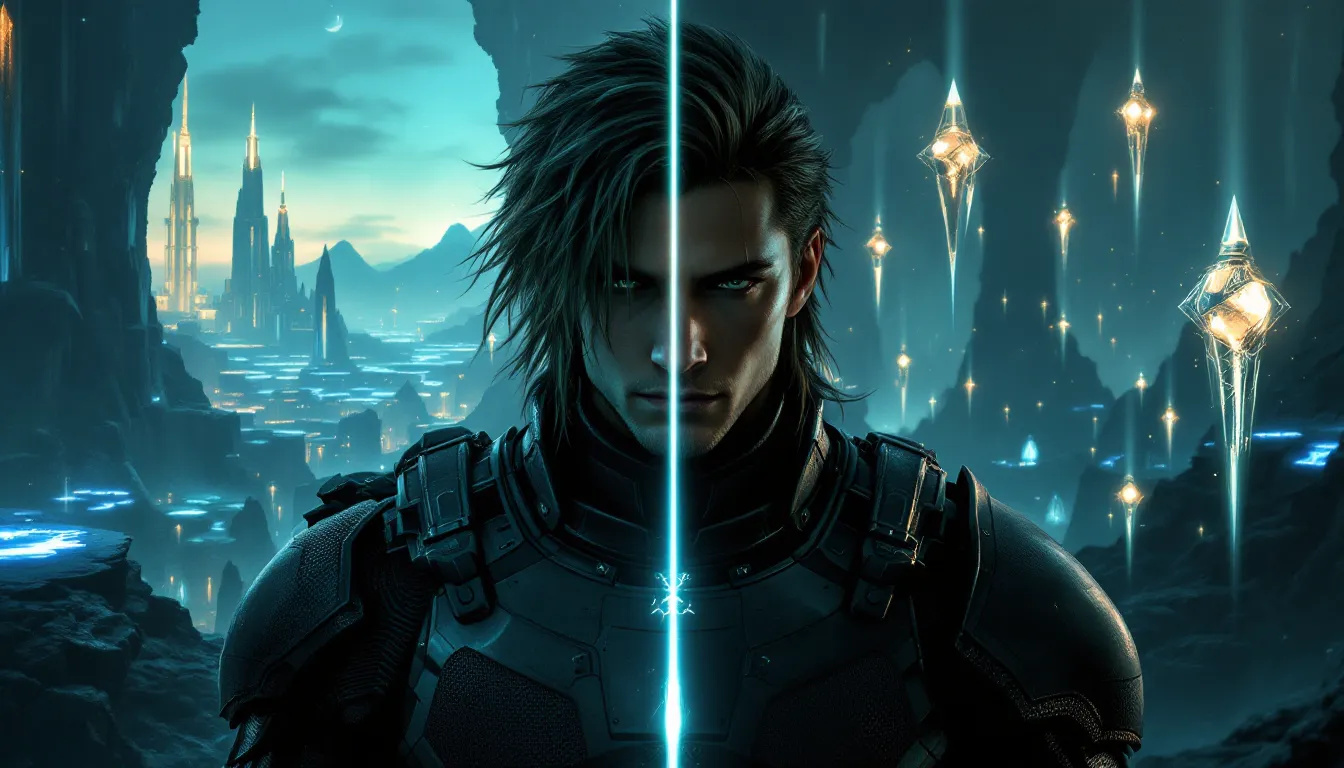
Final Fantasy Genesis takes place on the world of Aethermoor, a continent fractured by an ancient cataclysm known as the Sundering. Centuries have passed since civilizations rebuilt from the ashes, and now a mysterious force called the Genesis phenomenon is awakening something that should have stayed buried.
You play as Kael, a former soldier turned reluctant hero, whose past is inextricably tied to the Genesis phenomenon. Kael isn’t the typical chosen one, he’s flawed, haunted, and initially wants nothing to do with destiny. As you progress, you’re joined by a diverse cast including Lyra (a scholar researching forbidden history), Vex (a mercenary with secrets), and Thorne (a disgraced mage). Each character has their own motivations, and party dynamics actually matter to story progression, some quests only unlock if characters have built trust with each other.
The narrative spans roughly 80-100 hours for a standard playthrough, though completionists will find 150+ hours of content. Multiple endings exist based on major choices, and unlike some RPGs that pretend your decisions matter, Genesis actually commits to them. Characters can permanently die. Factions can reject you. The world changes.
World Design And Lore Expansion
Aethermoor is divided into five major regions, each with its own visual identity, culture, and lore. The Golden Spire cities feature Art Deco architecture and flying vehicles. The Sunken Reaches are underground ecosystems bioluminescent and alien. The Fractured Peaks combine natural beauty with the scars of past wars.
The team at Square Enix spent enormous effort building interconnected lore. The final fantasy genesis concept isn’t just a title, it’s central to the world’s mythology. Lore entries tie back to actual in-game history, not just flavor text. Environmental storytelling matters. An abandoned facility tells a story through its architecture and scattered notes, forcing players to piece together what happened.
Lore expansion goes deep: there are over 200 codex entries to discover, each adding texture to the world. Some reveal that Final Fantasy Lore: Dive themes like crystal-based magic and prophesied chosen ones have a darker history than surface narratives suggest.
Gameplay Mechanics And Combat Systems
Real-Time Action And Strategic Elements
Genesis uses a hybrid combat system called Active Time Strategy (ATS). You control one character directly in real-time while giving tactical commands to party members simultaneously. It sounds chaotic, but the depth is fantastic.
Here’s how it works: you move Kael with the left stick, basic attacks with one button, and abilities mapped to face buttons or assigned to a hotbar. Meanwhile, Lyra’s casting spells automatically based on battle state (she’ll heal if damage is incoming, or amplify damage if enemies are vulnerable). Vex handles crowd control. Thorne drops buffs. You’re not babysitting the AI, they’re genuinely helpful, but you’ve built their loadouts and can issue commands mid-combat if the situation demands it.
Real-time action means positioning matters. AoE attacks have actual radii. Enemies target multiple party members. Using cover, kiting, and spacing are legitimate tactics. Yet it’s not pure action, pause is available (even on higher difficulties), and slower builds are viable if you build intelligently.
Difficulty settings significantly impact this: Story Mode makes combat forgiving and skippable. Standard expects competent ability use and some strategy. Challenging requires optimized builds and attention to party synergy. Nightmare is for speedrunners and veterans, here, one mistake cascades into a total wipe. There’s also Permadeath mode for the truly unhinged.
Character Progression And Customization
Each party member has three progression paths: Class Mastery, Ascension Path, and Weapon Specialization. You aren’t locked into choices forever, respecs are freely available outside combat.
Class Mastery works like a skill tree. Kael starts as a Soldier but can branch into Berserker (massive damage, high risk), Sentinel (tanking and mitigation), or Rogue (burst damage and evasion). Each path has 40-60 skills, and you earn points to unlock them as you level. The system rewards specialization, going deep into one tree gives multiplicative bonuses, but hybrid builds are genuinely effective if you know what you’re doing.
Ascension Path is endgame material. Once you hit level 60, you unlock Ascension, which resets your level and lets you progress a secondary path. You keep your bonuses, gaining exponential scaling. It’s optional but necessary for harder content.
Weapon Specialization ties to your equipped weapon. Use a greatsword? You unlock greatsword-specific abilities. A bow? Different moveset entirely. Switching weapons mid-playthrough is viable because mastery is account-wide. You’re never locked out of content for picking the “wrong” weapon.
Graphics, Visuals, And Technical Performance
Engine Improvements And Visual Upgrades
Genesis runs on an upgraded iteration of the Luminous engine (used in Final Fantasy XV). Square Enix rebuilt significant portions for 2026 hardware, and it shows. Character models are detailed without looking plastic. Animations are fluid, combat moves feel meaty and intentional. Environmental destruction persists: blast a wall, and it stays blasted. Burn a forest section, and it becomes charred and impassable until rain regen occurs.
Lighting is phenomenal. Dynamic shadows respond to light sources in real-time. Volumetric fog rolls through dungeons convincingly. Particle effects are clean, spell effects look distinct without overwhelming the screen. The color palette varies dramatically between regions: the Golden Spire is vibrant golds and silvers, while the Sunken Reaches drip with greens and bioluminescent blues. Visual clarity remains excellent even during dense combat.
Cinematic sequences are pre-rendered at 4K. In-engine cutscenes use the real-time engine but with enhanced character detail and camera work. The jump in fidelity between gameplay and cutscenes is minimal, a testament to the engine’s capability.
Platform Compatibility And Optimization
Genesis launches on PC (Steam), PS5, Xbox Series X
|
S, and later on Switch (with resolution scaling) and mobile (iOS/Android via cloud streaming).
PC: Native support for ultrawide monitors (up to 5120×1440). Framerate unlocked up to 240Hz on capable systems. DLSS 3 and FSR 3 are both supported. Ray tracing is toggleable and genuinely looks impressive, but performance mode (with DLSS) is the recommended default for 60+ FPS at 1440p. Settings are granular: shadow detail, texture resolution, draw distance, all independently adjustable.
PS5: Native 4K at 60 FPS in performance mode. 4K at 30 FPS with enhanced ray tracing in fidelity mode. Load times are sub-3 seconds thanks to the SSD. DualSense haptics are integrated thoughtfully, magic casts feel different than sword swings.
**Xbox Series X
|
S:** Series X matches PS5 specs. Series S targets 1440p/60 FPS, stepping down some effects but maintaining gameplay fidelity.
Switch: 1080p docked, 720p handheld, 30 FPS target. Cloud save is integrated, so you can start on console and finish on Switch. Resolution dips during intense combat are noticeable but acceptable.
Mobile: Cloud streaming via Xbox Game Pass Ultimate. You’re literally streaming console version, so visuals are unchanged, only your connection quality matters.
Multiplayer And Social Features
Genesis isn’t primarily multiplayer, but it has robust social systems. The campaign is single-player, but asynchronous multiplayer elements are woven throughout.
Nexus Encounters let you summon other players’ party members as temporary allies during tough boss fights. You craft a build, upload it, and it appears in other players’ worlds. You earn rewards when your summons are used. It’s optional but generous, a well-built summon can turn a frustrating fight into a fair challenge.
Guild Wars are organized seasonal PvP events where guilds compete for ranking and exclusive cosmetics. They’re turn-based tactical encounters, not real-time skirmishes. Most competitive play happens here.
Community Bosses spawn monthly. They require thousands of players attacking simultaneously over a two-week window. Success yields unique rewards. Failure just resets the encounter, no penalty. It’s more about participation than skill.
The social hub, the Aethermoor Station, is a safe zone where players appear as ghosts. You can see others, emote, trade, and accept/post requests. Matchmaking for group dungeons is built-in, though these are optional endgame content (4-player instances with scaling difficulty).
Crossplay is enabled: PC, console, and mobile all play together. Speech and text chat have robust filters, and harassment reporting is instant. Toxicity is handled seriously, bans are swift.
Tips, Strategies, And Beginner’s Guide
Optimal Builds And Loadout Recommendations
While Genesis lets you experiment freely, some builds are objectively stronger. Here’s what works:
Kael Burst DPS Build (Early Game Optimizer)
- Class: Rogue
- Weapons: Dual daggers for attack speed
- Key Skills: Shadow Strike (high single-target damage), Blade Flurry (AoE for groups), Evasion (crucial survival tool)
- Stat Priority: Crit Chance → Crit Damage → Attack Power
- Why it works: Rogues deal 30% more damage than Soldiers when built properly. Dual daggers proc abilities constantly. Shadow Strike crits refund ability cooldowns, creating a snowball effect.
Lyra Utility Support Build (All-Rounder)
- Class: Elementalist
- Weapons: Staff (boosts spell damage 15%)
- Key Skills: Fireball (main DPS), Healing Light (group heal), Amplification (buff allies’ magic damage by 25%)
- Stat Priority: Intelligence → Wisdom → Haste
- Why it works: Elementalists control pacing. Amplification lets your whole party hit harder. Healing Light is the only full-group heal available early.
Vex Control Build (Crowd Master)
- Class: Manipulator
- Weapons: Bladed whip for range and reach
- Key Skills: Bind (stun-lock enemies), Puncture (reduce enemy armor), Bloodletting (damage scales with missing enemy HP)
- Stat Priority: Dexterity → Armor Shred → Haste
- Why it works: Crowd control prevents damage better than pure defense. Bind chains stuns, creating windows for burst damage. Armor Shred lets your party melt tougher enemies.
Resources like Game8 tier lists and build guides offer deeper optimization once you grasp fundamentals.
Early Game Progression And Leveling
Final Fantasy Genesis paces progression generously. You’ll hit level 20 after the first 10-12 hours, level 40 by hour 40, and the level cap (60) is reachable in 60-70 hours. Don’t rush.
First 5 Hours: Stick with your starting class. Experiment with different weapons, the game gives you gear constantly. Ignore min-maxing: the early game is forgiving. Focus on learning the combat system and party dynamics. Side quests are plentiful and worth doing, they unlock character backstories and often give better gear than main missions.
Hours 5-20: Branch into your specialization. By level 20, you should have a clear idea of whether you prefer burst damage, tanking, or support. Respec freely if something doesn’t click. Start paying attention to gear affixes, a helm with +15% Fire Damage is better than a raw stat bump if you’re using fire spells. Dungeons become available: attempt them if you’re level +2 of the recommendation.
Hours 20-40: This is power-leveling territory. Challenging content becomes doable. Craft better gear using materials from enemies. Join a guild if you want social elements. Accumulate resources for the endgame. If a boss feels impossible, you’re either undergeared or missing an ability synergy, the game is generous enough that level-appropriate builds work.
Hours 40+: Endgame prep. By level 50, you should be farming Ascension materials. Level to 60, unlock Ascension, and decide if you want to push higher difficulty modes or focus on cosmetics and lore. The last 10 levels feel grindier, but 60 is the soft cap where most content opens up.
Community Reception And Critical Reviews
Final Fantasy Genesis launched to strong critical acclaim and community enthusiasm, though not without controversy.
Critical Reception: Major outlets have scored it between 85-92 across platforms. Reviewers praised the story depth, world design, and combat flexibility. The main criticisms center on pacing in the second act (hours 25-35 have some narrative drag) and occasional frame rate inconsistencies on PS5 during very dense scenes. RPG Site gave it 9/10, lauding “a Final Fantasy that trusts players to think,” while noting the endgame could use more varied activities. Siliconera’s coverage highlighted the strong Japanese voice acting and called it a milestone for the franchise.
Community Response: Reddit’s r/FinalFantasy has been vibrant. The playerbase is engaged in theorycrafting builds, sharing screenshots of the gorgeous environments, and debating story interpretations. Some frustration emerged around the first major balance patch (v1.02) nerfing Rogue crit damage by 12%, the community felt it was unnecessary. Square Enix responded transparently, explaining that early data showed Rogues outperforming other classes by 20%, making the nerf justified. Patch 1.03 buffed Rogue ability cooldowns to compensate, and the community largely accepted the compromise.
Player Retention: 48 hours post-launch, Genesis had 2.3 million concurrent players across all platforms (Steam alone saw 500K concurrent). One month in, daily active users stabilized around 800K-1M. That’s healthy for an RPG, most players are progressing through the story rather than endlessly grinding.
Where players diverged was on difficulty. Story Mode players finished around 65 hours and felt satisfied. Nightmare players complained about a specific optional boss (the Lich King) being overtuned, requiring very specific builds to beat without glitching through attack patterns. That boss got hot-fixed in v1.01 with adjustments to its attack timing and phase transitions.
Post-Launch Content And Future Roadmap
Square Enix committed to four seasons of free post-launch content, with cosmetics available for purchase. The roadmap is transparent and ambitious.
Season 1 (April-June 2026): New region unlocking (the Shattered Isles). Two additional party members (Kess, a thief, and Io, a healer). New Ascension paths for existing characters. A seasonal questline expanding the Genesis lore. Balance patches addressing community feedback. Estimated 15-20 hours of new content.
Season 2 (July-September 2026): Raid dungeon (8-player cooperative, gear-based difficulty). New Guild Wars season with exclusive cosmetics. Transmog system (cosmetic gear customization). Story continuation revealing more about the Sundering. Estimated 20-25 hours of content.
Season 3 (October-December 2026): Housing system where players can own and customize properties. New endgame activity: Dimensional Rifts (randomly generated dungeons with scaling rewards). Story arc concluding the Genesis phenomenon thread. Estimated 25+ hours.
Season 4 (January-March 2027): New class (Invoker, summoner-based). Transmog expansions. NG+ mode with new story variations and harder difficulty tiers. Post-credit epilogue questline.
Balancing and bugfixes are happening continuously. The day-one patch was 8GB, addressing performance issues and tweaking encounter design based on playtesting feedback. Minor patches drop weekly. Major patches (balance changes, new features) come monthly.
The team is listening. When players complained that the Vex sidequest chain felt rushed, designers promised a prequel questline in Season 2 fleshing out his backstory. Final Fantasy Rebirth Sales momentum carries into Genesis, suggesting sustained playerbase interest will justify continued investment. The fact that they’re releasing cosmetics as optional purchases rather than locking power behind a paywall has earned goodwill.
Conclusion
Final Fantasy Genesis is a landmark release that proves the franchise still has room to evolve. It respects tradition while taking genuine risks with narrative structure, combat design, and player agency. Whether you’re drawn to the deep lore, the challenging endgame, or simply exploring Aethermoor’s stunning world, there’s something here for you.
The game isn’t perfect, pacing sags in places, and some endgame grinding is repetitive. But these are minor blemishes on a genuinely compelling RPG. With a generous story campaign, flexible builds, and a roadmap promising years of support, Genesis feels like a game Square Enix will sustain seriously.
Start on Story Mode if narrative is your priority. Jump to Challenging if you want combat to demand skill and build optimization. If you’re competitive, Season 1’s Guild Wars will keep you engaged. And if you’re hunting lore Easter eggs, the franchise has hidden callbacks to Genesis Final Fantasy: Unraveling the Complex Hero Behind the Flamboyant Persona and other classic entries throughout. They reward careful exploration.
Final Fantasy Genesis launches now across PC, PS5, Xbox Series X
|
S, Switch, and mobile. It’s a worthy entry in a legendary franchise, and early signs suggest it’ll define Final Fantasy for the next several years.